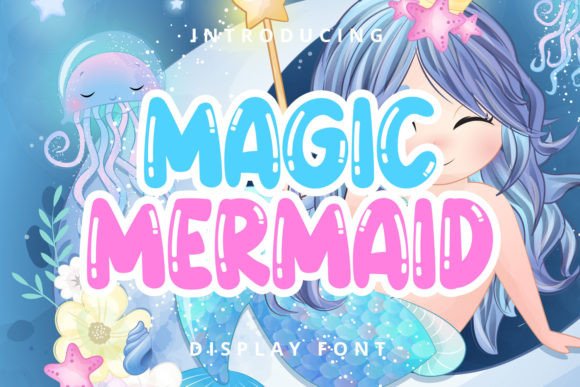
Magic Mermaid: A Playful and Authentic Display Font for Creative Projects
In the vast ocean of digital typography, finding a typeface that balances whimsy with readability can feel like searching for a needle in a haystack. Designers, educators, and content creators often struggle to find fonts that convey joy without sacrificing professionalism or legibility. This is where Magic Mermaid emerges as a standout solution. As a fun, cute, and friendly display font, it embodies playfulness and authenticity, making it the perfect choice for any children’s activity or school project. But its utility extends far beyond the classroom, offering a unique aesthetic that resonates with modern audiences craving genuine, human-centric design elements.
The Rise of Authenticity in Digital Design
Over the past decade, digital design has swung like a pendulum. We moved from the skeuomorphic textures of the early 2000s to the stark minimalism of flat design, and now, we are settling into an era that values warmth and personality. Users are increasingly fatigued by sterile, corporate aesthetics that feel impersonal. In response, brands and creators are seeking ways to inject humanity back into their visual communications. This shift is not merely a trend; it is a reflection of changing user expectations. People want to connect with content that feels approachable, safe, and inviting.
Magic Mermaid fits seamlessly into this cultural shift. Its rounded edges and organic flow mimic the natural movement of handwriting, yet it maintains the consistency required for professional use. This duality allows it to serve as a bridge between formal communication and casual engagement. For marketers and entrepreneurs, this means having a tool that can soften brand messaging without appearing unprofessional. For educators, it provides a visual language that is both engaging for students and clear enough for instructional materials.
Why Playfulness Matters in Professional Contexts
There is a common misconception that "fun" fonts are reserved solely for informal or juvenile contexts. However, psychological studies in user experience (UX) design suggest that playful elements can reduce cognitive load and increase user retention. When a interface or a document feels friendly, users are more likely to engage with it positively. This is particularly relevant in sectors such as healthcare, education, and family-oriented services, where trust and comfort are paramount.
Using a font like Magic Mermaid in these contexts signals empathy. It tells the audience, "We are approachable." For instance, a pediatric clinic might use this typeface in its waiting room signage or appointment reminders to alleviate anxiety for young patients. Similarly, a nonprofit organization focused on child welfare could utilize it in fundraising campaigns to evoke a sense of care and community. The key lies in balance; while the font is playful, its clarity ensures that the message remains the focal point.
Practical Applications for Creators and Educators
The versatility of Magic Mermaid makes it a valuable asset across various workflows. Whether you are a graphic designer working on a packaging label, a teacher creating lesson plans, or a blogger designing social media graphics, this font offers specific advantages that enhance the final output.
- Educational Materials: Teachers can use this font for worksheets, posters, and presentation slides. Its distinct letterforms help young learners recognize characters easily, supporting literacy development in a visually appealing way.
- Children’s Publishing: Authors and illustrators self-publishing children’s books can employ Magic Mermaid for chapter headings or dialogue bubbles. It adds a layer of charm that complements illustrations without overpowering them.
- Event Branding: For birthday parties, baby showers, or school fairs, this font creates an immediate festive atmosphere on invitations and banners. It sets the tone for celebration and joy.
- Digital Content: Bloggers and social media managers can use it for quote graphics or highlight covers. In a feed dominated by bold sans-serifs, a friendly display font stands out and invites clicks.
Each of these applications leverages the font’s core strength: its ability to communicate friendliness instantly. In a world where attention spans are short, visual cues that evoke positive emotions can be the difference between a user scrolling past or stopping to engage.
Integrating Magic Mermaid into Modern Workflows
Adopting a new typeface into your design system requires more than just installation; it requires an understanding of hierarchy and contrast. Because Magic Mermaid is a display font, it is best used for headlines, titles, and short bursts of text rather than long paragraphs. Pairing it with a clean, neutral sans-serif body font creates a balanced composition that is both eye-catching and readable.
For professionals using design software like Adobe Illustrator, Canva, or Figma, integrating this font is straightforward. However, the real skill lies in knowing when to deploy it. Consider the context of your project. If you are designing a annual report for a financial institution, Magic Mermaid might not be appropriate. But if you are designing a community outreach program for that same institution, it could be the perfect tool to humanize the initiative. Understanding these nuances is what separates amateur design from strategic visual communication.
The Evolution of Display Fonts in Technology
Technological advancements have significantly influenced how we perceive and use display fonts. With the proliferation of high-resolution screens and variable font technology, designers now have more control over weight, width, and slant than ever before. While Magic Mermaid is a static display font, its design principles align with modern technical standards. It renders cleanly on both mobile devices and desktop monitors, ensuring that its playful characteristics remain intact regardless of the platform.
Moreover, the rise of remote learning and digital collaboration tools has increased the demand for fonts that translate well in virtual environments. During video conferences or online classes, visual aids must be clear and engaging to maintain participant interest. A font that embodies playfulness and authenticity helps break the monotony of screen-based interaction. It adds a tactile, human quality to digital spaces, reminding us that there are people behind the pixels.
Sustainability and Ethical Design Choices
In today’s market, consumers are increasingly conscious of the values behind the products they use. This extends to digital assets. Choosing a font that supports independent creators or small design studios can be part of a broader ethical design practice. While Magic Mermaid is accessible and widely usable, its origin as a specialized display font highlights the importance of supporting diverse typographic voices. By moving away from generic, system-default fonts, creators contribute to a richer, more varied digital ecosystem.
This diversity is crucial for inclusivity. Different fonts resonate with different cultures and demographics. A font that feels "cute" in one context might feel "condescending" in another. Therefore, users must exercise discretion and cultural sensitivity when applying Magic Mermaid. It is ideal for contexts that explicitly welcome informality and warmth, but it should be avoided in situations requiring strict authority or solemnity.
Recommendations for Effective Usage
To get the most out of Magic Mermaid, consider the following best practices:
- Use for Emphasis: Reserve this font for key messages. Overusing it can dilute its impact and reduce readability.
- Check Contrast: Ensure sufficient color contrast between the text and background. Playful fonts often have thinner strokes that can disappear against busy backgrounds.
- Pair Wisely: Combine it with simple, structured fonts for body text. This creates a visual hierarchy that guides the reader’s eye naturally.
- Test Across Devices: Always preview your design on multiple screens to ensure the font retains its charm and legibility.
By following these guidelines, you can harness the full potential of this typeface. It is not just about making things look pretty; it is about communicating effectively and emotionally. In a digital landscape that often feels cold and automated, Magic Mermaid offers a splash of color and a reminder of the joy found in creativity.
Ultimately, the choice of typography is a strategic decision. It shapes how your audience perceives your message and your brand. Magic Mermaid provides a unique opportunity to infuse your projects with personality and warmth. Whether you are designing a school newsletter, a children’s book cover, or a social media campaign, this font serves as a powerful tool for connection. It invites users to pause, smile, and engage, proving that in design, friendliness is a formidable strength.