Comic Class: Bold Typography for Modern Design
In the crowded landscape of digital design, typography is often the first element that communicates tone, personality, and intent. While minimalist sans-serifs have dominated corporate branding for years, there is a growing appetite for typefaces that break the mold—fonts that offer character, energy, and a distinct visual voice. Comic Class emerges as a powerful solution for designers seeking to inject vitality into their work. It is not merely a font; it is a design tool crafted to create bold, eye-catching typography that demands attention.
This unique display font possesses a striking look that bridges the gap between playful informality and professional impact. Whether you are designing a poster for a local music festival, creating packaging for an artisanal product, or laying out a dynamic book cover, Comic Class offers the versatility needed to elevate your project. Its PUA (Private Use Area) encoding ensures that accessing every glyph and stylistic variation is seamless, allowing for a smooth workflow from concept to final export.
The Visual Identity of Comic Class
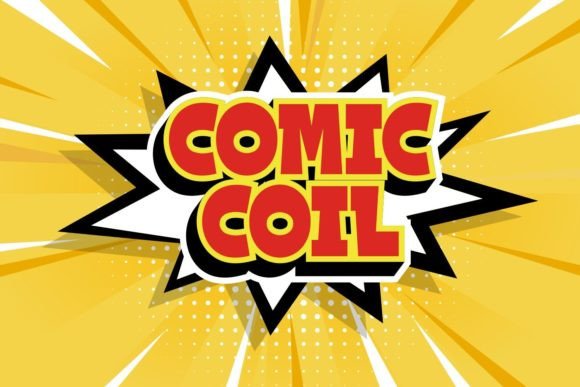
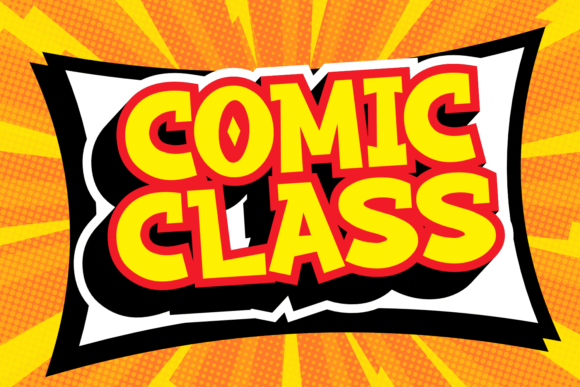
What sets Comic Class apart from standard comic-style or hand-drawn fonts is its structural integrity. Many novelty fonts suffer from poor kerning, inconsistent stroke weights, or illegibility at smaller sizes. Comic Class avoids these pitfalls by maintaining a robust framework while delivering an organic, hand-crafted aesthetic. The letters feature thick, confident strokes with subtle irregularities that mimic natural handwriting, yet they remain uniform enough to ensure readability across various mediums.
The "striking look" mentioned in its description refers to its high contrast against background elements. This makes it particularly effective for headlines and short bursts of text where immediate impact is crucial. It does not whisper; it speaks clearly and loudly. For designers, this means less time spent tweaking weight and opacity to make text pop, and more time focusing on layout and composition.
Why PUA Encoding Matters for Creatives
One of the most practical features of Comic Class is its PUA encoding. For those unfamiliar with technical typography terms, PUA encoding allows all special characters, ligatures, and alternate glyphs to be accessed directly through standard character maps or keyboard shortcuts, without needing specialized software plugins.
This technical detail translates to real-world efficiency. If you are a freelancer working under tight deadlines, the ability to quickly swap out a standard "a" for a stylistic alternate, or insert a unique symbol without breaking your flow, is invaluable. It empowers users to customize their typography on the fly, ensuring that each project feels bespoke rather than template-driven.
Practical Applications Across Industries
The versatility of Comic Class makes it suitable for a wide array of industries. However, its best use cases are found in projects that benefit from a human touch combined with modern clarity. Here is how different professionals can leverage this font:
- Marketing and Advertising: In ad campaigns, you have seconds to capture attention. Comic Class works exceptionally well for promotional banners and social media graphics. Its bold nature stands out in feeds cluttered with generic stock imagery and sterile corporate fonts. Use it for call-to-action buttons or limited-time offer headers to create a sense of urgency and excitement.
- Product Packaging: For small business owners selling handmade goods, food products, or crafts, packaging is the primary salesperson. Comic Class adds an artisanal feel that suggests quality and care. Imagine a jar of small-batch honey or a box of organic cookies; the font’s friendly yet strong appearance builds trust and approachability.
- Publishing and Book Covers: Authors and publishers looking for titles that stand out on both physical shelves and digital thumbnails will find Comic Class ideal for genres like young adult fiction, humorous non-fiction, or creative guides. It conveys narrative energy before the reader even opens the book.
- Event Posters and Banners: Whether it is a community fair, a tech conference, or an art exhibition, posters need to be legible from a distance. The thick strokes of Comic Class ensure visibility, while its unique style prevents the design from looking generic.
Design Strategies for Maximum Impact
Using a display font like Comic Class requires a strategic approach to balance. Because the font is inherently bold and expressive, it should not be overused. Here are some practical guidelines to keep your designs clear, effective, and visually harmonious.
Pairing with Complementary Typefaces
Comic Class shines brightest when it has a supportive partner. Since it is a display font, it is best reserved for headings, titles, and short emphasis text. For body copy, pair it with a clean, neutral sans-serif or a highly readable serif font. This contrast creates a hierarchy that guides the viewer’s eye. For example, use Comic Class for the main headline of a blog post, and a simple geometric sans-serif for the article text. This combination maintains professionalism while allowing the headline to carry the creative weight.
Color and Context
The striking nature of Comic Class allows it to handle vibrant colors effectively. Do not be afraid to use bright, saturated hues for the font itself, especially if placed against a neutral or dark background. Conversely, white text using Comic Class on a deep navy or charcoal background creates a sophisticated, high-contrast look that feels modern and premium. Avoid placing it over busy photographic backgrounds unless you use a solid drop shadow or a backing shape to preserve legibility.
Maintaining Consistency
When using Comic Class across multiple platforms—such as a website, Instagram posts, and printed flyers—consistency is key. Stick to a specific set of stylistic alternates if you choose to use them. If you use a particular swash or glyph variation in your logo, carry that same style through your marketing materials. This builds brand recognition. The PUA encoding makes it easy to replicate these specific characters across different design files, ensuring your visual identity remains cohesive.
Empowering Non-Designers
You do not need to be a seasoned graphic designer to benefit from Comic Class. Entrepreneurs, educators, and hobbyists often need to create professional-looking materials without hiring an agency. This font lowers the barrier to entry for high-quality design. Because the letterforms are well-balanced, even simple layouts look intentional and polished.
For educators creating classroom materials, Comic Class can make worksheets and presentation slides more engaging for students. For bloggers, it can transform a standard header image into a branded asset. The key is to keep the layout uncluttered. Let the font do the heavy lifting. A simple center-aligned title in Comic Class, paired with ample white space, often looks more sophisticated than a complex design with multiple competing elements.
Elevating Your Creative Projects
In a world where digital noise is constant, standing out requires authenticity. Comic Class offers a way to infuse your projects with personality without sacrificing clarity. It is a tool that respects the viewer’s time by being legible, while respecting the creator’s vision by being distinctive.
Whether you are refreshing a brand identity, launching a new product, or simply looking to add flair to a personal project, consider the potential of this typeface. Experiment with its glyphs, play with color contrasts, and observe how it changes the tone of your message. By integrating Comic Class into your design toolkit, you are not just choosing a font; you are choosing to communicate with confidence, creativity, and impact.
Remember, great design is not about complexity; it is about communication. With its bold structure and accessible features, Comic Class helps you say what you mean, clearly and memorably. Start exploring its possibilities today, and let your typography become the cornerstone of your visual storytelling.